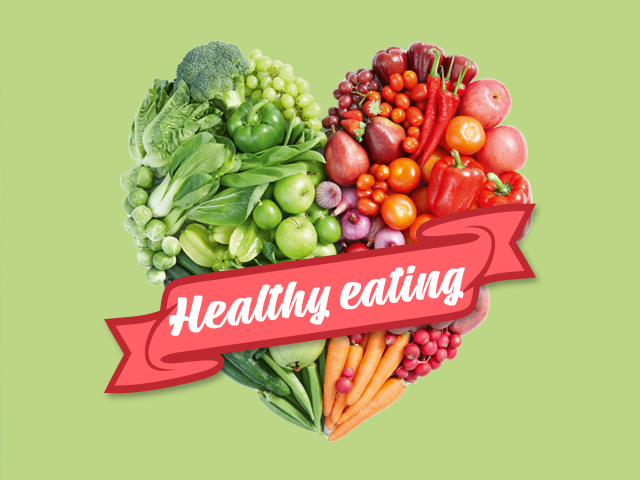
Tanaka; Hey Siri, what is healthy eating?
Siri; Hmmm,“Healthy eating means, eating a variety of foods that give you the nutrients you need to maintain your health,feel good, and have energy. These nutrients include protein, carbohydrates, fat, water, vitamins, and minerals“, do you want to hear more?

Since nutrition is important for everyone, today we will take a look at some of the most important nutrients we need to function properly. All these can be found in what I’d like to term, “healthy food”. “Healthy food” is a balanced diet, meaning, consuming from all the different good groups, but in the right quantities.
Nutritionists say the main food groups are five, namely; whole grains, fruit and vegetables, protein, diary, and fat.

Now we take a look at some of these nutrients and what deficiencies they might cause.
1.Omega-3 Fatty Acids:
These are found in foods such as fish and Flax Seed Oil. They are polyunsaturated fatty acids, (this means that their chemical structure does not easily change into cholesterol. Cholesterol is a substance containing a lot of fat that can cause heart disease.
Benefits:
- Research has shown that this fatty acid reduces inflammation and may lower risk of chronic diseases such as heart diseases.
- They are very important for cognitive function (brain memory and performance) and behavioral function.
- These can also lower elevated cholesterol levels.
- In Rheumatoid arthritis sufferers, omega-3 can curb stiffness and joint pain by boosting effectiveness of anti-inflammatory drugs.
- Some researchers also found out that cultures that eat foods with high levels of omega-3 have lower levels of depression.
- It also seems to boost the effects of anti-depressants.
- In baby development, it is important for visual and neurological development.
A deficiency of Omega-3 fatty acids or an imbalance between Omega 3 and Omega 6 fatty acids may be one of the contributing factors to your depression. Omega 3 Fatty acids are important to brain function and your mental outlook on life. Researchers have found that many patients with depression and mood disorders are deficient in Omega 3 Fatty Acids.
It is important to buy fish oil that has been cold processed and tested for heavy metals and other contaminants. It should state that on the label.

2. Vitamin D:
Vitamin D is important for immune function, bones, and brain health. Sunlight is the richest source for natural Vitamin D.
Benefits:
- It regulates calcium and phosphorus absorption.
- Maintenance of healthy bones and teeth.
- Supplies a protective effect against multiple diseases and conditions such , cancer, type 1 diabetes, and multiple sclerosis.
- Supports the health of the immune system, brain and nervous system.
- Supports lung function.
The Journal Clinical Nutrition in Jan 21st, 2013 published the result of a research that analyzed over 18000 British citizens for Vitamin D deficiencies and associated mental disorders links. They found that a deficiency of Vitamin D was present in patients with depression and panic disorders. The study results stated that people who are deficient in Vitamin D are at higher risk for developing depression later in life. Most senior citizens and people with office jobs that require long working hours tend to suffer from Vitamin D defiency.
Take a walk during your lunch break or walk your dog. Play a game with your kids outside in the sunshine away from computers and the television. All while remembering that too much of anything is never good as over exposure of sun causes accelerated skin aging, hyperpigmentation, sunburn, and photophobia (eye sensitivity to light).

3.B-Vitamins:
This is commonly known as the vitamin B complex because it comprises of 8; B1, B2, B3, B5, B6, B7, B9, and, B12.
These all play a role in keeping our systems well- functioning, by helping convert our food into fuel, which allows us to be energized throughout the day, (our own natural redbull,giving us wings 24/7).
Benefits:
- B1 (thiamine), helps the body make new cells. It is also known as the “anti-stress” vitamin because of its ability to protect the immune system.
- B2 (riboflavin), this is an anti-oxidant. It may also prevent early aging and development of heart diseases.
- B3 (niacin), boosts levels of HDL (high density lipoprotein, a.k.a. good cholesterol).
- B5 (pantothenic acid), it breaks down fats and carbohydrates for energy. Also responsible for the production of sex and stress related hormones.
- B6 (pyridoxine), regulates levels of amino acid known as homocysteine which is associated with heart diseases. It helps produce serotonin, melatonin and norepinephrine which are sleep and mood hormones.
- B7 (biotin), its known as the “beauty vitamin” because it promotes growth of healthy hair, skin and nails.
- B9 (folate), prevents memory loss.
- B12 (cobalamin), works with B9 to produce red blood cells, creates the oxygen carrying protein, hemoglobin.
Researches in Neuropsychiatry proved that there is a link between B-Vitamin deficiencies and mood disorders including depression.

4.Zinc, Folate, Chromium, and Iron:
Combined, all 4 help with the proper functioning of the immune and digestive systems, control of diabetes, reduction of stress levels, energy metabolism and, increase the rate of healing for wounds and acne.
Patients with depression are often found deficient in many nutrients including these.

5.Iodine:
Iodine is necessary for the proper functioning of the thyroid gland. The thyroid is a part of the endocrine system and is one of the most important glands in our body as it affects every function of the body; body temperature, immune function, and brain function all included.
This can be found in foods such as iodized salt, sea vegetables ( arame, hiziki, kombu, wakame), fish and other seafood,cranberries, organic yogurt, organic navy beans, organic strawberries, organic cheese, eggs,potatoes, and human breast milk.
The amazing benefits it has are:
- It helps in the optimal utilization of calories by improving metabolism.
- Removal of toxins from the body.
- Assistance in utilization of various minerals such as calcium.
- Improves cognitive function.
- Protects the thyroid.
- Balances hormones.
- Improves hair growth.
- Provides protection from radiation.
Deficiency of Iodine can lead to enlargement of the thyroid which will cause impaired thyroid hormone synthesis.
Other symptoms may include frustration, depression, mental retardation, abnormal weight gain, goiter, decreased fertility, constipation, coarse skin.

6.Amino Acids:
The 9 essential amino acids are: histidine, isoleucine, leucine, lysine, methionine, phenylalanine, threonine, tryptophan, and valine. These cannot be manufactured in our body. Foods that contain all nine essential acids are called complete proteins. These include eggs, fish, beef, pork, poultry, and whole sources of soy (tofu, edamame, tempeh, and miso). Generally speaking, plant proteins have lower essential amino acid contents when compared to animal proteins.
Our brain uses the 9 essential amino acids to manufacture neurotransmitters needed for optimal brain function.
Amino acid deficiency can result in decreased immunity, digestive problems, depression, fertility issues, lower mental alertness, slowed growth in children, and many other health issues. Each of the essential amino acids plays a different role in the body, and the symptoms of deficiency vary accordingly.

You’re still here? It’s over. Go home. Go!


Leave a Reply