
Ladies by now I’m pretty sure we are feeling like having a uterus is a wee bit of a curse since all the posts up to now have been about uterus-related problems. Well, there’s still more to come, brace yourselves!
PCOS is the most common endocrine (hormone) disorder in women of reproductive age. It is a heterogeneous disorder (a condition with several etiologies) primarily characterized by:
- Hyperandrogenism (a medical condition characterized by high levels of androgens in females)
- Oligoovulation / anovulation (when the ovaries do not release an oocyte)
- Presence of polycystic ovaries
- Insulin resistance
- Neuroendocrine disruption
The syndrome gets its name from the cysts which may form on the ovaries, it is important to remember that presence of these cysts is a symptom and not the underlying cause of the disorder.
The exact cause of PCOS remains uncertain but there is a strong association with obesity. This is because obesity causes an increase in the production of estrogen from the adipose (fat) tissue and a decrease in the peripheral sensitivity to insulin. The reduced insulin sensitivity and the consequent hyperinsulinemia ( a condition of elevated blood insulin level) result in:
- Acanthosis nigricans (a skin disorder characterised by patches of velvety hyperpigmentation in the axilla (armpit), groin, and/or neck).
- Increased androgen (steroid sex hormone.e.g./ testosterone, androstanolone) production in ovarian theca interna cells (an endocrine cell in the ovary that expresses receptors for luteinizing hormone and secretes androstenedione).
- Increase in LH (luteinizing hormone) secretion then disturbs the LH/FSH (follicle-stimulating hormone) balance therefore resulting in impaired follicle maturation with cyst development due to lack of rupturing of the follicle.
- Anovulation/oligoovulation leading to infertility.

Increase of free androgens and estrogens due to the inhibition of the SHBG (sex hormone-binding globulin). The presence of the free estrogen then leads to endometrial hyperplasia which is increase the risk of endometrial carcinoma.
It is also thought that a combination of genetic and environmental factors causes PCOS. Risk factors include; a lack of physical exercise and a family history of someone with the condition.
Aside from the primary characteristics I mentioned above, PCOS has other common signs and symptoms which I will categorize below;
- Menstrual irregularities:
–primary/secondary amenorrhea (no Aunt Flo for 3 or more consecutive months)
– oligomenorrhea (infrequent menstruation, fewer than 9 visits from Aunt Flo in a year)
–menorrhagia (a condition of abnormally high flow of bleeding > 80mL bleeding volume/ > 7 days of menstruation)
–infertility or difficulties conceiving (results directly from anovulation)
2. Insulin resistance and associated conditions:
–metabolic syndrome (a constellation of medical conditions that increase the risk for cardiovascular disease, type 2 diabetes mellitus, fatty liver)
–obesity
–sleep apnea (snoring)
–non-alcoholic fatty liver disease (NAFLD)
3. Skin conditions:
–hirsutism (a condition of excessive male pattern hair growth in women (e.g., on the chin, above the upper lip, and around the umbilicus (belly button))
–androgenic alopecia (a condition of increased hair thinning or diffuse hair loss)
–acne vulgaris
–oily skin
–acanthosis nigricans (hyperpigmentation)
4. Psychiatric conditions:
–anxiety disorders
–depression

According to the American Association of Clinical Endocrinologists, at least 2 of 3 criteria of the Rotterdam criteria are required for a diagnosis of PCOS after excluding other causes of irregular bleeding and elevated androgen levels. The 3 are:
- Hyperandrogenism (clinical or laboratory)
- Oligoovulation and/ or anovulation
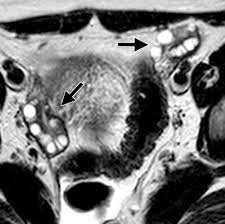
- Enlarged, polycystic ovaries on ovarian ultrasonography using transvaginal approach (12/ more cystic follicles with a diameter between 2 and 9mm with a “string of pearls” appearance or a relative increase of stromal tissue with increase of at least 10mL in ovarian size).

Blood hormone levels: increase in testosterone levels, increase in LH levels with a ratio of LH: FSH.2:1, estrogen levels will be either normal or slightly elevated.
We need to then evaluate for metabolic disease by:
- Testing for hypertension (systolic bp >140mmhg and/or diastolic bp >90)
- Monitor BMI (body mass index)
- Do a 2-hour oral glucose tolerance test (GTT) so as to assess for insulin resistance or type 2 diabetes mellitus.
- Measure serum lipids and cholesterol to assess for hyperlipidemia (elevated serum concentrations of triglycerides (>200mg/dL) and cholesterol(>190mg/dL)
The following imaging studies may be used:
- Pelvic CT scan or MRI to visualize the adrenals and ovaries.
The following procedures may be done as well:
- An ovarian biopsy may be performed for histologic confirmation of PCOS; however, the ovarian ultrasonography supersedes this procedure.
- Laparoscopic examination. This may reveal a thickened, smooth, pearl-white outer surface of the ovary.

Let us now round it up by talking about the treatment.
The primary treatment options include lifestyle changes and medications. The goal of treatment may be classified under 4 categories;
- Lowering of insulin resistance levels
- Restoration of fertility
- Treatment of hirsutism or acne
- Restoration of regular menstruation, and prevention of endometrial hyperplasia and endometrial cancer.
1st category treatment: If the patient develops type 2 diabetes mellitus, treatment with oral antihyperglycemic drugs such as METFORMIN is considered. Metformin can also be considered in other women with PCOS who are insulin resistant and are at risk of developing cardiovascular disease even without type 2 diabetes.
If the patient has concomitant adrenal hyperandrogenism, treatment with low-dose PREDNISONE or DEXAMETHASONE may be considered.
2nd category treatment: first-line treatment for this category will be ovulation induction using LETROZOLE. An alternative can be CLOMIPHENE, but LETROZOLE has higher rates of clinical pregnancy and live birth rate when the two are compared.
Second-line treatment would be using a low-dose regimen of EXOGENOUS GONADOTROPINS to induce ovulation. Laparoscopic ovarian drilling will be a better choice as it is associated with a lower risk of ovarian hyperstimulation syndrome and multifetal gestation when compared to using exogenous gonadotropins.
In this category, METFORMIN and CLOMIPHENE can be combined as they might increase pregnancy rates.
For women not responsive to LETROZOLE / CLOMIPHENE other options such as controlled ovarian hyperstimulation with follicle-stimulating hormone (FSH) injections followed by in-vitro fertilization (IVF) are available.
3rd category treatment: Here, the use of a Combined oral contraceptive is highly recommended especially in combination with SPIRONOLACTONE.
NB: IT IS CRITICAL THAT YOU AVOID NORGESTREL AND LEVONORGESTREL AS THEY HAVE ANDROGENIC EFFECTS.
EFLORNITHINE (VANIQA) is a cream that can be used as it acts directly on the hair follicles inhibiting hair growth.
FINASTERIDE and DUTASTERIDE may also be used as they work by blocking the conversion of testosterone to dihydrotestosterone. These belong to a group known as 5-alpha reductase inhibitors.
PS: THE REDUCTION IN HAIR GROWTH MIGHT NOT BE ENOUGH TO ELIMINATE THE SOCIAL EMBARRASSMENT OF HIRSUTISM OR THE INCONVENIENCE OF PLUCKING OR SHAVING.
A friend of mine who has PCOS recently started some Electrolysis sessions for hirsutism and already there has been a reduction in the rate of hair growth and amazing skin changes.
4th category treatment: Here therapy is aimed at controlling menstrual, metabolic, and hormonal irregularities with the use of insulin-sensitizing drugs (metformin, pioglitazone, rosiglitazone), statins, progestin, and combined oral contraceptive therapy. Metformin restores ovulatory menses, reduces the risk of ovarian hyperstimulation syndrome but does not provide endometrial protection.
NB: METFORMIN MAY NOT BE EFFECTIVE IN EVERY TYPE OF PCOS. It is also associated with several unpleasant side effects: including abdominal pain, metallic taste in the mouth, diarrhea and, vomiting.
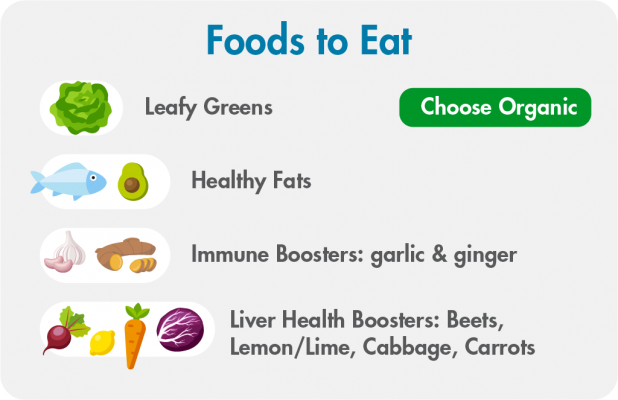
Apart from medical treatment, lifestyle modification should also be seriously considered. It is very important to exercise, have dietary changes and if obesity is in play, weight loss is advised.
Where PCOS is associated with overweight/obesity, weight loss has proved to be the most effective method of restoring normal menstruation/ ovulation.
A low-carbohydrate diet that is more concentrated on fruits, vegetables, and whole-grain sources has resulted in greater menstrual regularity than a macronutrient-matched healthy diet.
Thanks for tuning in, see you soon!
Leave a Reply