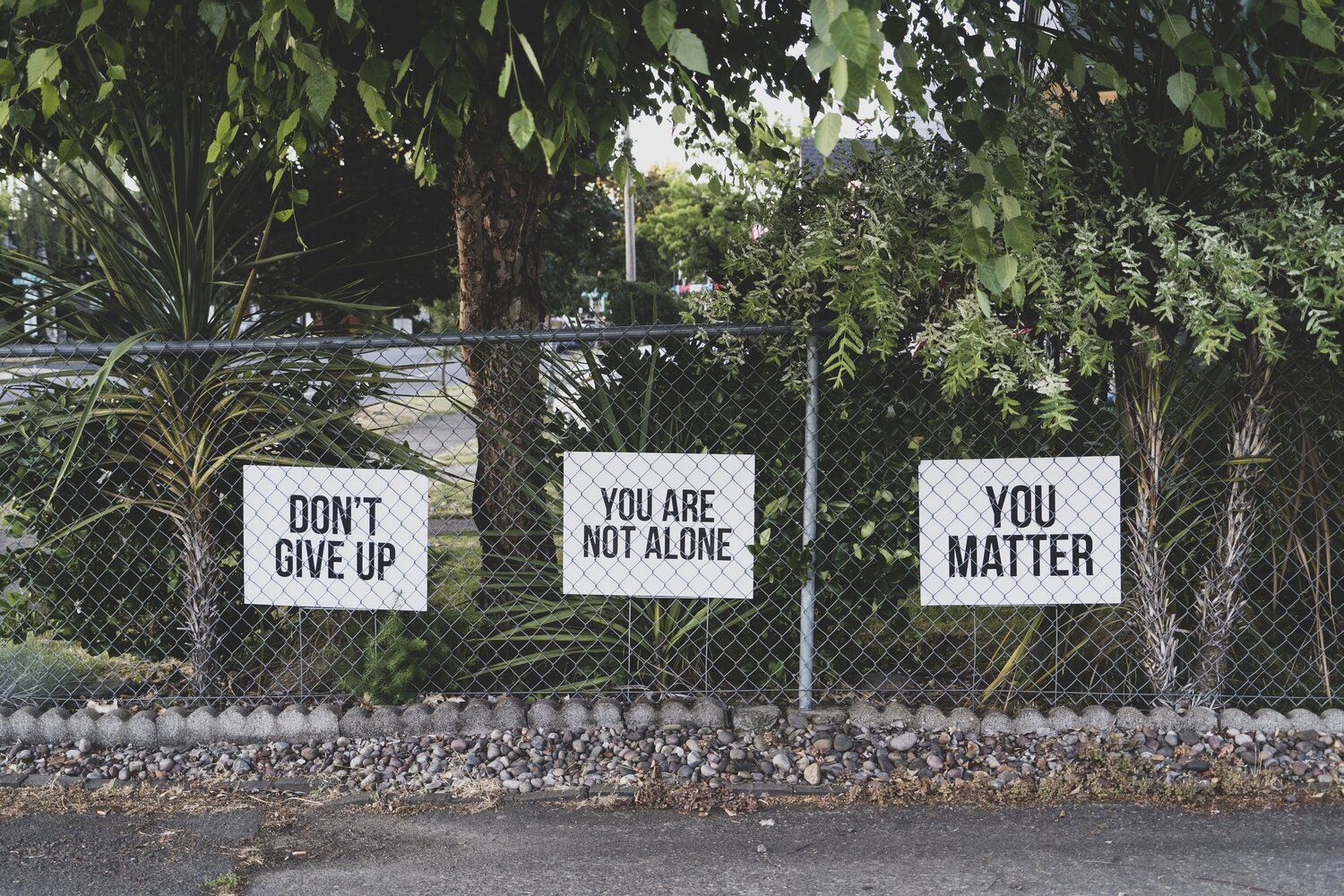
Understanding Men’s Mental Health and Suicide

Understanding Men’s Mental Health and Suicide

Greetings, fellow earth inhabitants! November has arrived, the one month when we give the spotlight to our dear sons of Adam. Sorry, daughters of Eve, but it’s time to scoot over for just 30 days. Don’t worry; we’ll all return to being the drama soon enough!

Celebrating Yeah GIF - Celebrating Yeah Yes - Discover & Share GIFs

November, designated as Men’s Month, is a time to recognize and address the unique challenges faced by men, irrespective of their ethnicity. While it’s essential to celebrate the achievements and contributions of men, it’s equally crucial to acknowledge and address the challenges they face, particularly in the realm of mental health and suicide. One of these pressing challenges is the alarming prevalence of suicide among men. Today’s article seeks to engage, educate, and resonate with all men by providing essential data on suicide rates, highlighting the emotional impact, and addressing the universal importance of men’s mental health.

Preventing suicide in men - Centre for Suicide PreventionCentre for Suicide  Prevention

Let’s start with a fact that transcends all borders: suicide is a global crisis. The World Health Organization (WHO) reports that approximately 703,000 people die by suicide each year, and a significant majority of these individuals are men. WHO data indicates that men are nearly three times more likely to take their own lives than women, making suicide the second leading cause of death for men aged 15-29 globally. In our communities, suicide is not just a statistic; it’s a reality that impacts families and friends every day.

Key facts:

  • Every year, around 700,000 individuals commit suicide.
  • For every successful suicide, there are far more suicide attempts. Suicide attempts in the past are a significant risk factor in the general population.
  • Low- and middle-income nations account for 77% of worldwide suicides.
  • Pesticide ingestion, hanging, and weapons are among the most common ways of suicide worldwide.

What or who is a man? Men, biologically speaking, are individuals with XY chromosomes, typically developing male secondary sexual characteristics during puberty. Masculinity, however, goes beyond biology and is a complex interplay of cultural, social, and psychological factors. It encompasses attributes traditionally associated with men, such as strength, stoicism, and assertiveness. It’s essential to recognize that suicide is a complex issue influenced by multiple interacting factors, and it’s rarely due to a single cause. Understanding the intricate interplay between genetics, societal pressures, and life events is critical in addressing and preventing suicide among men.

Premium Vector | Multiracial man different age, nationality, appearance, body  shape type size, weight, height set.

These gender expectations often place pressure on men to conform to societal norms, which can affect their mental health. The notion of genetic masculinity is multifaceted and dates back 2000 years to ancient Greece. Since the beginning of time, men have been viewed as providers. I mean, even God created Adam to provide for Eve. In accordance with prevailing societal norms, there is an expectation for an ideal man to encompass what are often referred to as the “3 P’s”: Protect, Procreate, and Provide. It is believed that a man should excel in all three of these domains to be considered truly masculine. Falling short in any one of these aspects can sometimes lead to ridicule and comparisons to those who are seen as exemplifying the qualities of a “real man,” particularly during heated arguments or discussions.

What is your ideal, perfect man (physically)? - Quora

While there isn’t a single set of genes that define masculinity, genetic variations can influence an individual’s susceptibility to certain mental health challenges. Genetic factors can play a role in suicide susceptibility, although the picture is far from simple. Research has identified that a family history of suicide, mood disorders, or impulsivity may increase the risk of suicide attempts. Specific genes linked to these traits have been explored, but a single ‘suicide gene’ has not been definitively identified. This underlines the complexity of the issue, with genetic predispositions interacting with environmental and psychological factors to contribute to suicide risk.

Men often face distinct societal pressures compared to women, with masculinity norms encouraging emotional restraint and discouraging vulnerability. Like all individuals, men can be vulnerable to a range of life events that may increase their risk of suicide. Factors such as divorce, financial difficulties, unemployment, and loss of social support can be significant stressors that, when coupled with pre-existing mental health challenges, can heighten the risk of suicide. These life events often bring about feelings of despair and hopelessness, which can be compounded by societal expectations to remain strong and resilient. This cultural expectation can discourage men from seeking help for mental health issues. The reluctance to express emotional struggles openly can exacerbate feelings of isolation, adding to the risk of suicide. Understanding the impact of these societal pressures is vital to promoting mental health awareness and encouraging open conversations.

SOCIETAL PRESSURE FACED BY MEN - The Mirror of Society

In summary, the notably elevated suicide rates among men, often three times higher than those among women in various regions, can be attributed to a complex interplay of social, psychological, and cultural factors. These encompass traditional expectations of masculinity that discourage help-seeking and encourage emotional restraint, thereby diminishing men’s likelihood of receiving the support they require. Moreover, men tend to opt for more lethal suicide methods, such as firearms, resulting in a higher rate of completed suicides, and may also resort to substance abuse as a coping mechanism. The greater availability of lethal means, the persisting stigma around seeking help, and the intensified stress experienced in traditionally male-dominated occupations all contribute to the heightened risk of suicide among men.

It’s important to note that while these factors help explain the higher suicide rates among men, they do not represent the experiences of all men, and many men do reach out for help and find effective ways to cope with mental health challenges. Addressing this issue requires challenging traditional gender roles, promoting mental health awareness, and creating an environment in which all individuals, regardless of gender, feel comfortable seeking support and discussing their emotional well-being.

Warning Signs to Watch For

Understanding the signs of distress and despair is critical in preventing suicide. In our communities, these signs may include:

  1. Isolation: Men at risk of suicide may withdraw from social activities, family, and friends. They may become increasingly isolated.
  2. Expressed Helplessness: Listen for statements that express feelings of hopelessness, worthlessness, or a belief that life has no value.
  3. Drastic Changes in Behavior: Sudden and significant changes in behavior, mood, or personality may be a cause for concern.
  4. Substance Abuse: An increase in alcohol or drug use can sometimes be a way to cope with emotional pain.
  5. Giving Away Belongings: Some individuals at risk of suicide may start giving away their possessions or making final arrangements.

Some suicide intervention approaches and steps that may be used when encountering someone who is suicidal are as follows:

1. Stay Calm and Listen: If someone confides in you about their suicidal thoughts or feelings, it’s essential to stay calm and listen without judgment. Offer a safe and non-judgmental space for them to express themselves fully.

2. Take It Seriously: Suicidal thoughts are a sign of deep emotional distress. Always take these thoughts seriously, even if the person appears to be joking or nonchalant about it.

3. Ask Directly: While it may be uncomfortable, ask the person directly if they are thinking about suicide. This can help clarify their intentions and open the door for a more honest conversation.

4. Encourage Expression: Encourage the person to express their feelings and thoughts. Sometimes, talking about their emotions can provide relief and clarity.

5. Do Not Leave Them Alone: If someone is actively suicidal, do not leave them alone. Stay with them or ensure they are in the care of a trusted person.

6. Remove Access to Lethal Means: If possible, remove any access to lethal means, such as firearms, medications, pesticides, or sharp objects.

7. Seek Professional Help: Encourage the person to seek professional help, such as a therapist, counselor, or psychiatrist. Offer to assist in finding resources or making appointments.

8. Contact Emergency Services: If the situation is immediate and you believe the person is in imminent danger, call emergency services in your country. Stay with the person until help arrives.

9. Stay Connected: Follow up with the person regularly to check on their well-being. Let them know you care and are there to support them.

10. Involve Trusted Individuals: Inform the person’s close friends, family, or a support network so that they can also provide assistance and emotional support.

11. Encourage Self-Help Strategies: Help the person develop self-help strategies, such as mindfulness, breathing exercises, or grounding techniques, to manage distressing emotions.

12. Educate Yourself: Learn more about suicide and mental health to better understand what the person is going through. This can help you provide more effective support.

Remember that dealing with someone who is experiencing suicidal thoughts can be emotionally challenging. It’s important to take care of your well-being and seek support for yourself if needed. Encourage the person to seek professional help, as mental health professionals are trained to assess and provide appropriate treatment and support for individuals at risk of suicide.

Educational Intervention

To combat this crisis, we need to promote mental health education and awareness. Men need to know that it’s okay to talk about their feelings and seek help when needed. Here are some key educational points to consider:

  1. Mental Health Awareness: Let’s start by acknowledging that mental health struggles are not a sign of weakness. Just as we care for our physical health, we should prioritize our emotional well-being.
  2. Breaking Stereotypes: We need to challenge the toxic stereotypes that limit men’s emotional expression. Encouraging emotional vulnerability and open conversations is a positive step forward.
  3. Access to Resources: Men must be aware of the available mental health resources, including hotlines, support groups, and professional help. Removing the stigma around seeking help is crucial.
  4. Support Systems: Family and friends play a vital role in men’s mental health. Creating a safe and non-judgmental environment where men can discuss their feelings is essential.

November’s Men’s Month serves as a reminder that men’s mental health and the issue of suicide are universal concerns, transcending ethnic, cultural, and geographical boundaries. Let us make November not just a celebration of men, but a call to action. By understanding the global scope of this issue, educating ourselves and others, and fostering open discussions about men’s mental health, we can collectively break the silence and provide the support that all men need and deserve. Together, we can make a profound impact on the lives of men worldwide.

I Feel Better Already Dale GIF - I Feel Better Already Dale Fairfax -  Discover & Share GIFs

My parting contribution for today is a fictional story I’ve crafted to emphasize the actual challenges that many men encounter in our communities. It underscores the importance of addressing men’s mental health and the issue of suicide. This narrative illustrates the significance of recognizing signs of distress and extending a helping hand when it’s needed.

83,800+ Africa Village Stock Photos, Pictures & Royalty-Free Images -  iStock | Remote africa village, Africa village doctor, Africa village at  night

In a small village nestled in the heart of Africa, lived a man named Jairos. Jairos was a respected member of the community, known for his strength, hard work, and dedication to his family. He was a loving husband, father, and a friend to many. On the surface, he seemed like the embodiment of resilience.

However, behind Jairos’ smile and the façade of strength, there was a silent struggle that he had been enduring for years. The weight of his responsibilities and the pressure to provide for his family had taken a toll on his mental well-being.

Jairos found it increasingly challenging to discuss his emotions, fearing that he would be seen as weak or a burden to those he cared about. His society had long held traditional notions of masculinity, where men were expected to be stoic and unyielding, and seeking help for emotional issues was discouraged.

As the burden of his emotional turmoil grew heavier, Jairos withdrew from friends and family. He became increasingly isolated, and his laughter, once a familiar sound in the village, became rare. Those who knew him well noticed the changes in his behavior but were unsure how to approach him or offer support.

One day, Jairos’ lifelong friend, Tina, sensed that something was seriously amiss. She plucked up the courage to have an honest conversation with him. Jairos opened up, tears in his eyes, sharing the depth of his despair and emotional pain.

Realizing the gravity of Jairos’ situation, Tina reached out to a local community organization that provided mental health support. With their assistance, Jairos began therapy and found a safe space to share his feelings without judgment. The support and understanding he received made a profound difference in his life.

Jairos’ story, while fictional, is reflective of countless men in communities across Africa, other third-world countries and continents who silently struggle with their mental health. It underscores the importance of breaking down the stigma surrounding men’s emotional well-being and the critical role that friends, family, and community organizations can play in offering support.

Black People Cartoon Images - Free Download on Freepik

That is all for now my dear earthlings! Til’ next time…

Leave a Reply

Your email address will not be published.