Greetings earth inhabitants and compliments of the new season!
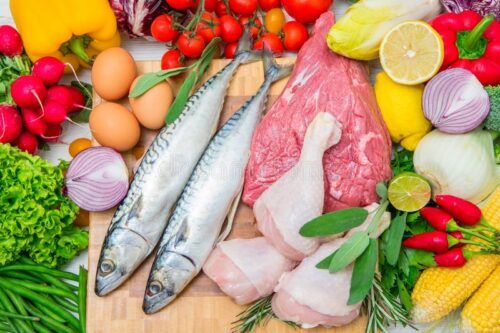
Let’s define the meanings of this blog’s title first, shall we? Most people are omnivores, which means we consume foods that are both plant and animal-based. However, some people are pesco-vegetarians or pescatarians, which means they primarily consume fish, shellfish, and foods that are plant-based.

If you know me on a personal level then you are well aware that I am a lover of meat! I am a literal walking lion in human form… I mean, what do you expect I am Zimbabwean. Have you tasted our braai (barbecue)? I love meat in all forms, shapes, and sizes! Beef: T-bone, tomahawk, porterhouse, ribeye, new-york strip, filet mignon, ox-tail, tripe. Pork: chops, bacon, ribs (sorry mum). Chicken, anything but the breast! Goat meat aka chevon. Lamb chops and mutton! Rabbit, guinea fowl. Name it, I’ll eat it!

This blog might come as a shock, leading those that know me to think I wrote this under duress, don’t worry, I am perfectly safe and am doing this of my own free will!
Meat has been a dinnertime staple for as long as the majority of us can remember. Red meat is an excellent source of iron, protein, and other essential elements such as zinc, vitamin B12, and omega-3 fats. In certain age groups, women have a higher need for iron than men (because of all that monthly bleeding we go through, and the pregnancy journey we have to endure). Iron is readily absorbed from red meat, which helps prevent anemia.

In as much as meat is God’s gift to us, this gift does come with health hazards. They do say, ‘anything in excess is a poison’.
The excessive consumption of red meat has been linked to an increased risk of cardiovascular disease, diabetes, and stroke. Additionally, the use of processed meats increases the likelihood of dying from these diseases. The strongest evidence against consuming an excessive amount of red meat links to colorectal cancer, the second-leading cause of cancer deaths worldwide. Red and processed meat (such as ham, bacon, salami, and sausages) consumption is associated with 1 in 6 new cases of colon cancer.

When muscle meat, such as beef, pork, or chicken, is cooked at high temperatures, such as pan frying or grilling directly over an open flame, heterocyclic amines (HCAs) and polycyclic aromatic hydrocarbons (PAHs) are formed. HCAs and PAHs have been discovered to be mutagenic, which means that they create DNA mutations that may raise the risk of cancer. HCAs are generated when amino acids (protein building blocks), sugars, and creatine or creatinine (muscle components) react at high temperatures. When fat and juices from meat grilled directly over a heated surface or open fire drip onto the surface or fire, producing flames and smoke, PAHs are produced. The smoke contains PAHs, which stick to the surface of the meat. PAHs can also be produced during other food preparation methods, such as meat smoking.

The formation of HCAs and PAHs varies depending on the type of meat, cooking method, and level of “doneness” (rare, medium, or well done). Meats cooked at high temperatures, particularly above 149 degrees Celsius (as in grilling or pan frying), or for a longer period of time are likely to create more HCAs. As an example, HCAs are found in high amounts in well-done, grilled, or barbecued chicken and steak. Side note; maybe now my dad can let me eat my medium-rare steak peacefully since it’s clearly the healthier option.
HCAs and PAHs can only cause DNA damage after being processed by certain enzymes in the body, a process known as “bioactivation.” According to studies, the activity of these enzymes, which varies from person to person, may be important in determining whether or not exposure to these substances increases the chance of developing cancer.
Remember what I said above? Anything in excess! Meaning, red meat in consideration has amazing health benefits but if you overdo it then you are at an increased risk of developing the diseases I mentioned above.
What then is the recommended portion? In order to meet iron and zinc demands, dietary guidelines recommend consuming no more than 455g cooked (600–700g raw) lean red meat per week. This equates to around one small piece 65g cooked (100g raw) per day, or one larger meal 130g cooked (200g raw) every other day. Feeling guilty yet about ordering that Porterhouse steak more than once a week?

What does 65g of red meat look like? Let me shift your attention to the image below….

If I were the reader, by now I would be wondering, how can I strike a proper balance when it comes to eating meat? Well, wonder no more. Hear me out, meat doesn’t have to come off the menu for good. Instead, focus on variety, which includes;
a) Good fat vs bad fat: When it comes to beef, there are two distinct forms of fat, and they are not created equal. While some beef cuts are naturally fattier due to intramuscular fat (marbling), which is exactly what steak lovers desire for tenderness and flavor, research has shown that this fat is actually a healthy fat with favorable health benefits and no adverse effects on lipoprotein cholesterol metabolism. Examples of good fat cuts are; topside roast, shin, flank steak, tenderloin, eye round, rump, sirloin, T-bone, chuck, ribeye, flap meat, and tri-tip.

The bad fat is instead the kind that comes as a thick layer of external fat.

b) Introducing meatless meals, once or twice a week: Consider giving up meat one day per week. You may find you’ll want to add more days. If you don’t like the notion of going a whole day without meat, start with a few vegetarian dinners each week. Create menus using your go-to vegetarian recipes, such as soup, pasta, and veggie salad. Or try replacing the meat in your favorite meals with one of the protein-rich items listed below: To casseroles, soups, and salads, you can add beans, peas, and lentils. In tacos and burritos, vegetarian refried beans can take the place of meat. You can add tofu to stir-fried foods.

If and when you finally decide to reduce your meat consumption, you will reap the following health benefits.
- Good overall health and weight management: Meat-restricted or meat-free diets are associated with weight loss and a decreased risk of heart disease, cancer, and diabetes. However, this risk decrease is contingent on the overall quality of the diet. In addition, poorly planned plant-based diets can be deficient in vital nutrients.
- Reduced risk of heart disease: Pescatarian meals that limit meat consumption, particularly fatty cuts of red meats and processed meats, are associated with a decreased risk of cardiovascular disease.
- Reduction in Inflammation: This is because vegetarian / plant-based meals are naturally anti-inflammatory because they are abundant in fiber, antioxidants, and other phytonutrients and low in inflammatory triggers like saturated fat and endotoxins (toxins released from bacteria commonly found in animal foods). C-reactive protein (CRP), a biomarker of inflammation in the body, has been demonstrated to be significantly reduced in those who adopt a vegetarian diet.
- Drop in cholesterol levels: When people eat less meat, their blood cholesterol levels can drop by as much as 35 percent, according to numerous scientific studies. Diets focused on whole, plant-based foods tend to be low in saturated fat and are cholesterol-free, hence reducing blood cholesterol levels. Additionally, vegetarian meals are rich in fiber, which further decreases blood cholesterol levels. Those who opt to consume soy have also been demonstrated to see a reduction in cholesterol levels. In many situations, the reduction is equivalent to that seen with pharmacological therapy, albeit with a number of beneficial side effects! Having more meatless days a week can further reduce cholesterol levels and cardiovascular risk in individuals who require cholesterol-lowering medications.
- Better gut health: Fiber-rich meals, in particular, promote the growth of good bacteria, which reduces inflammation and the risk of developing inflammatory disorders.
- More bathroom trips: If you consume less meat and more fiber from whole grains, raw fruit, and vegetables, you may spend more time in the bathroom. Fiber facilitates bowel movements by pulling water into your colon. This causes softer stools.
- Lower risk of type 2 diabetes: Researchers have found a relationship between red and processed meat and an increased risk of type 2 diabetes. One study indicated that consuming half a serving (one serving is the equivalent of a deck of cards) of red meat each day increases your risk of developing the disease by 48%.
- Save money: Let’s face it, in this economy, meat is getting pretty expensive! Beans, peas, lentils, and eggs are high-protein foods that are less expensive than meat. Buying in-season fruits and vegetables might also help you save money.
- Change in gene function: Scientists have discovered that environmental and lifestyle factors can switch genes on and off. For example, the antioxidants and other nutrients included in whole plant meals can alter gene expression, allowing our cells to repair damaged DNA more effectively. Research has also shown that lifestyle changes, including a no-meat diet, can decrease the expression of cancer genes in men with low-risk prostate cancer. A plant-based diet, along with other lifestyle changes, has even been shown to lengthen our telomeres (the caps at the ends of our chromosomes that help keep our DNA stable. This may indicate that those who eat less red meat have a higher life expectancy as their cells and tissues age more slowly, as shorter telomeres are connected with accelerated aging and mortality. Did I just crack the code? The secret to being forever young?

The bottom line is eating a diet with no or limited meat will benefit your health.
Cutting back on meat and eating a predominantly plant-based diet may help with weight management, protect against heart disease and certain cancers, and support a healthy gut. To reduce meat intake, start by swapping in leaner meats, fish, or plant-based protein sources, or search recipes online if you’re looking for some inspiration.
I love seafood, I have been swapping my steaks for shrimp, salmon, and sea bass and it has been working. As much as it pains me to admit it, I think my red meat obsession days are slowly but surely coming to an end. They would have long ended if salmon wasn’t soooooo expensive.
Now that I am older and wiser, I finally understand why my parents made sure Thursdays were Kariba bream (a type of fish found in Zimbabwe) days and Mondays were curdled milk days aka mukaka wakakora (I hated those). Thanks, mum and dad!

That is all for now, don’t forget to eat less meat and more fish! If you decide you are a die-hard Viking (omnivore), Ragnar Lothbrok himself, then at least make sure you are buying organic, grass-fed meats.
See you next time….
Please don’t forget to like, comment, and share the post with your friends and family.

Leave a Reply